
Urban Transitions for a More Sustainable Future: Lessons from Europe
Poland (virtual) - 16 December 2020
Joint organiser: Polish Ministry for Development Funds and Regional Policy
Part of Poland’s 2020-21 presidency of the Visegrad Group, this Policy Lab contributed to the Ministry’s preparations for the 11th World Urban Forum (WUF11), taking place in Katowice, Poland in 2022.
In light of cities’ increasing need to become more sustainable, highlighted by the New Leipzig Charter, Urban Agenda for the EU and the European Green Deal, the event focused on sustainable urban transitions. Speakers from across Europe shared insights from their cities in driving green, just and productive transformations (details below). Five Polish cities also pitched sustainable transition strategies, receiving recommendations from the expert speakers.
The resulting final report provides practical guidance for Polish municipalities to develop and implement sustainable transition strategies, also informing the Ministry’s World Urban Forum (WUF) Action Plan.
Expert contributions
Klemen Risto Bizjak
Senior Advisor, Maribor, Slovenia
- A place-based approach is key. It’s important to learn from other cities’ sustainable transitions, but don’t try to simply replicate their strategies.
- Focus on enablers and drivers of change, both processes to generate transformative change and the multi-stakeholder partnerships needed for transformation.
- EU funding, projects and cooperation can help cities develop strategic models and co-creative methods, improving transition strategies with each application process.

Imanol Zabaleta Altuna
Director of the Centre for Environmental Studies (CEA), Vitoria-Gasteiz, Spain
- Create a dedicated team or agency for sustainable transition, whose responsibility is to develop your city’s transition.
- Take a territorial, place-based approach to renaturalisation and greening. How can you nurture and connect the city with its natural ecosystem?
- Nature-based intervention and rewilding are key. Follow nature’s indications to green the city, increase biodiversity and create sustainable habitats for humans and other species.

Tomas Tosza
Deputy Director of the Municipal Road and Bridge Authority, Jaworzno, Poland
- Take a place-based approach, adapting everything to local conditions.
- Be prepared to implement brave, bold policies that citizens may not initially like. Appreciation for change often comes when its beneficial effects begin to show.
- Employ people who are passionate about sustainable urban transition, giving pioneers space to innovate by working for the municipality.

Sebastian Schlecht
Strategic Management, Department of Environment, Essen, Germany
- Apply an equity lens to the transformation process to include social, environmental and economic justice in sustainable transition plans.
- Create broad cross-societal stakeholder partnerships to build momentum for transformation.
- Go for global cooperation and participation in city networks to exchange learning and access European funding together.


More articles
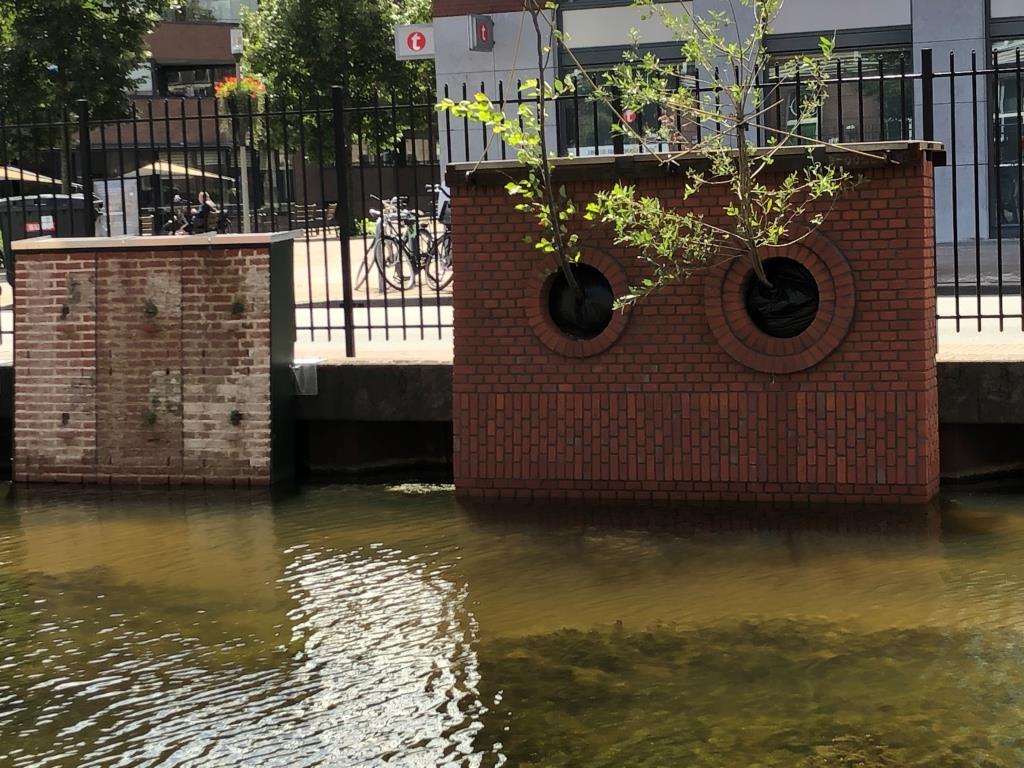
Birgit Georgi on… experimenting with Nature-Inclusive Quays (NIQs) in Bred...
Birgit Georgi on… experi...
Birgit Georgi on… experimenting with Nature-Inclusive Quays (NIQs) in Breda
Birgit Georgi, urban development expert, explores nature-inclusive quays can transform urban waterways into greener and more nature-inclusive areas that welcome local wildlife.
The JRC’s urban activities and the New Leipzig Charter: Exploring the role...
The JRC’s urban activiti...
The JRC’s urban activities and the New Leipzig Charter: Exploring the role of science for policy post 2020
Investigating the JRC’s potential role in supporting urban policy-making over the next ten years, within the framework for sustainable urban development proposed by the New Leipzig Charter.

Alessandro Rancati on… merging the two cultures of design and policy-makin...
Alessandro Rancati on… m...
Alessandro Rancati on… merging the two cultures of design and policy-making
Alessandro Rancati shares his expert knowledge on the culture of design, how it could be merged with the culture of policy-making, and why this 'merging' operation could bring positive results.