
Opportunities for Development and Innovation in Rural Areas: European Experiences
Madrid, Spain — 12 December 2019
Joint organiser: Spanish Ministry of Transport, Mobility and Urban Agenda
Organised concurrently with the 25th UNFCC Conference of the Parties (COP25), this Policy Lab explored the drivers of, and possible solutions to, the accelerating phenomenon of depopulation affecting small towns and cities in rural Europe. Known in Spain as “España Vacía” or “Empty Spain”, the phenomenon of rural depopulation represents a policy puzzle for Europe as a whole.
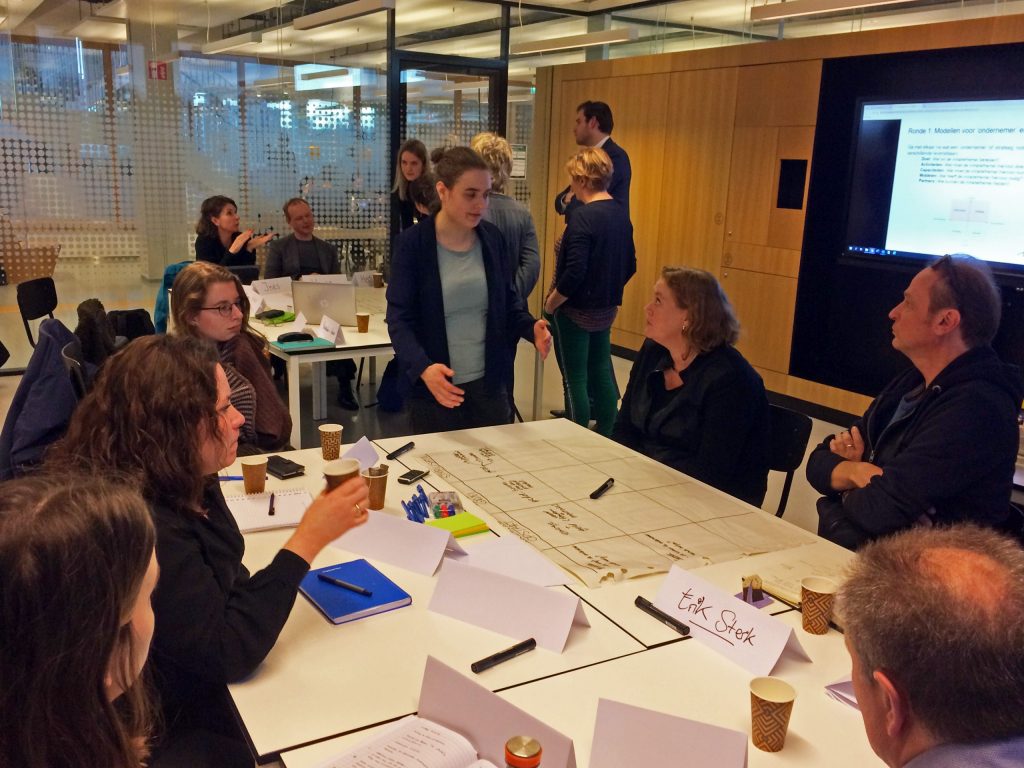
This event brought together experts from Spain, Slovenia and the Netherlands, whose presentations highlighted the need for de-ruralisation strategies to adapt to inevitable demographic and environmental trends.Five thematic working groups then delved into the key links between de-ruralisation and climate change, the economic and productive sectors, tourism and heritage, and reference policy frameworks such as the Urban Agenda for the EU, as well as leveraging innovation and systemic change to remedy rural depopulation.
More articles

Janne van Eerten on… the Partnership on Inclusion of Migrants and Refugees...
Janne van Eerten on… the...
Janne van Eerten on… the Partnership on Inclusion of Migrants and Refugees in EU Cities
Janne van Eerten, one the coordinators of the Urban Partnership on the Inclusion of Migrants and Refugees, describes the aim of the partnership and its application in the context of the war in Ukraine

Daniela Patti on… urban resilience in the face of pandemics...
Daniela Patti on… urban ...
Daniela Patti on… urban resilience in the face of pandemics
The EUKN interviewed Daniela Patti, Director of Eutropian, about what the COVID-19 outbreak is teaching us about urban resilience as lived reality.
Geert Brinkman on… embracing complexity through design...
Geert Brinkman on… embra...
Geert Brinkman on… embracing complexity through design
Geert Brinkman elaborates on the value of design as a tool to enhance the problem-solving capacity of public organizations, face complexity and respond to the wicked problems of our time.