
High-level Meeting: Support to Sustainable Urban Development in Functional Areas
Brussels, 18 February 2025
On 18 February 2025, the EUKN facilitated a High-Level Informal Exchange Meeting about Support to Sustainable Urban Development in Functional Urban Areas (FUAs) in the Context of EU Challenges After 2027. The meeting received representatives from different EU Member States, who discussed the role that Functional Urban Areas can play in urban policy making across the European Union, including their current implementation and linkages with current and future EU Cohesion Policy.
Participants discussed the issue paper jointly produced by the Polish Ministry of Development Funds and Regional Policy and the EUKN, the findings from a survey on the use of FUAs in various Member States’ urban policy programmes, and the current state of EU Cohesion Policy, including areas that could be improved. The EUKN’s presentation highlighted the benefits of utilising FUAs across different levels of urban policy making, including areas at the European, national, and urban/FUA levels where these processes could be streamlined.
More articles


Tilman Buchholz on… the German EU Presidency and the New Leipzig Charter...
Tilman Buchholz on… the ...
Tilman Buchholz on… the German EU Presidency and the New Leipzig Charter
Tilman Buchholz, from the German Federal Ministry of the Interior, shares with us the German EU Presidency's biggest achievement and adoption of the New Leipzig Charter.
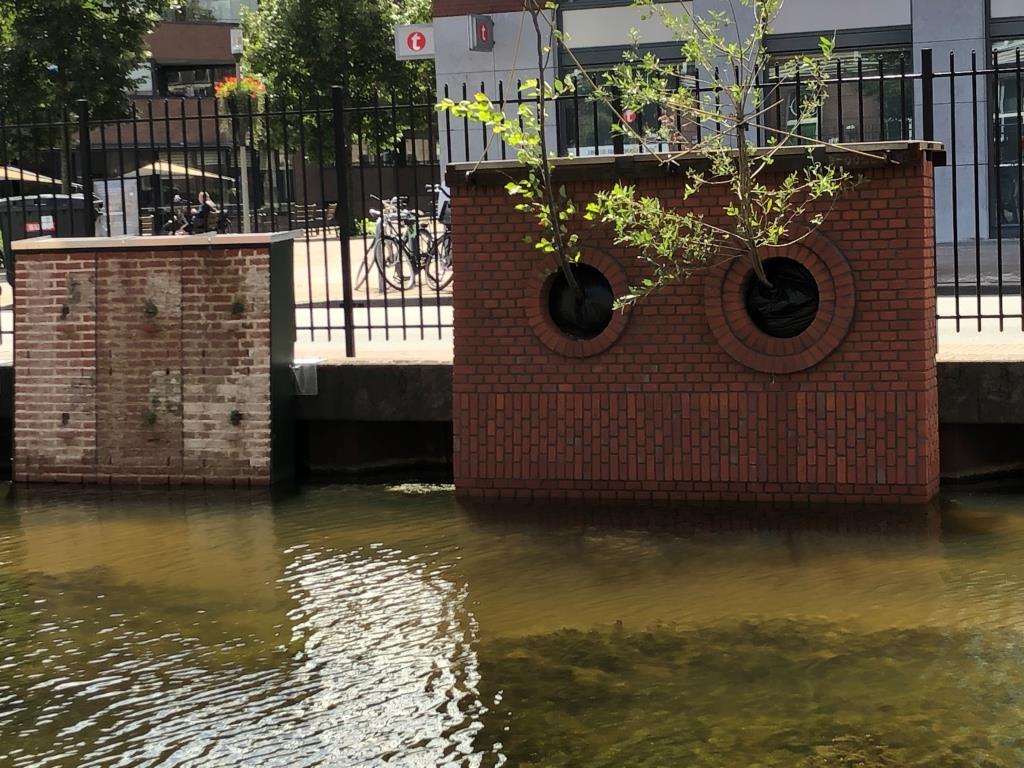
Birgit Georgi on… experimenting with Nature-Inclusive Quays (NIQs) in Bred...
Birgit Georgi on… experi...
Birgit Georgi on… experimenting with Nature-Inclusive Quays (NIQs) in Breda
Birgit Georgi, urban development expert, explores nature-inclusive quays can transform urban waterways into greener and more nature-inclusive areas that welcome local wildlife.